Author: dxbpolyadmin
-

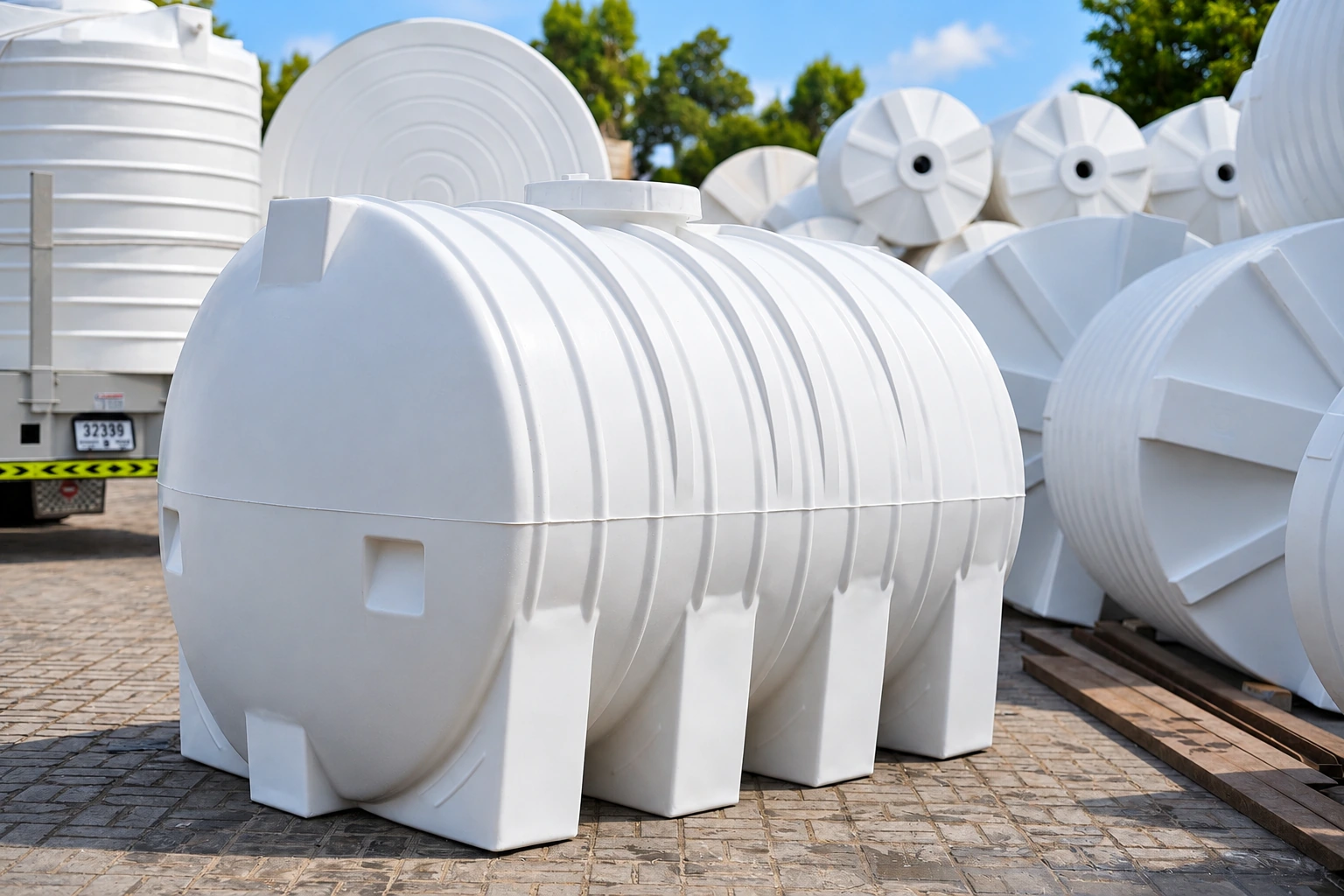
Where Should You Install a Horizontal Water Tank? 5 Things to Check
A horizontal water tank requires a flat, solid base that supports the tank in its intended position. Uneven support, loose gravel, rough surfaces and improper pipe connections can affect installation stability or place stress on the tank and its fittings. Before selecting an installation location, check the following five requirements. 1. Choose a Flat, Solid…
-
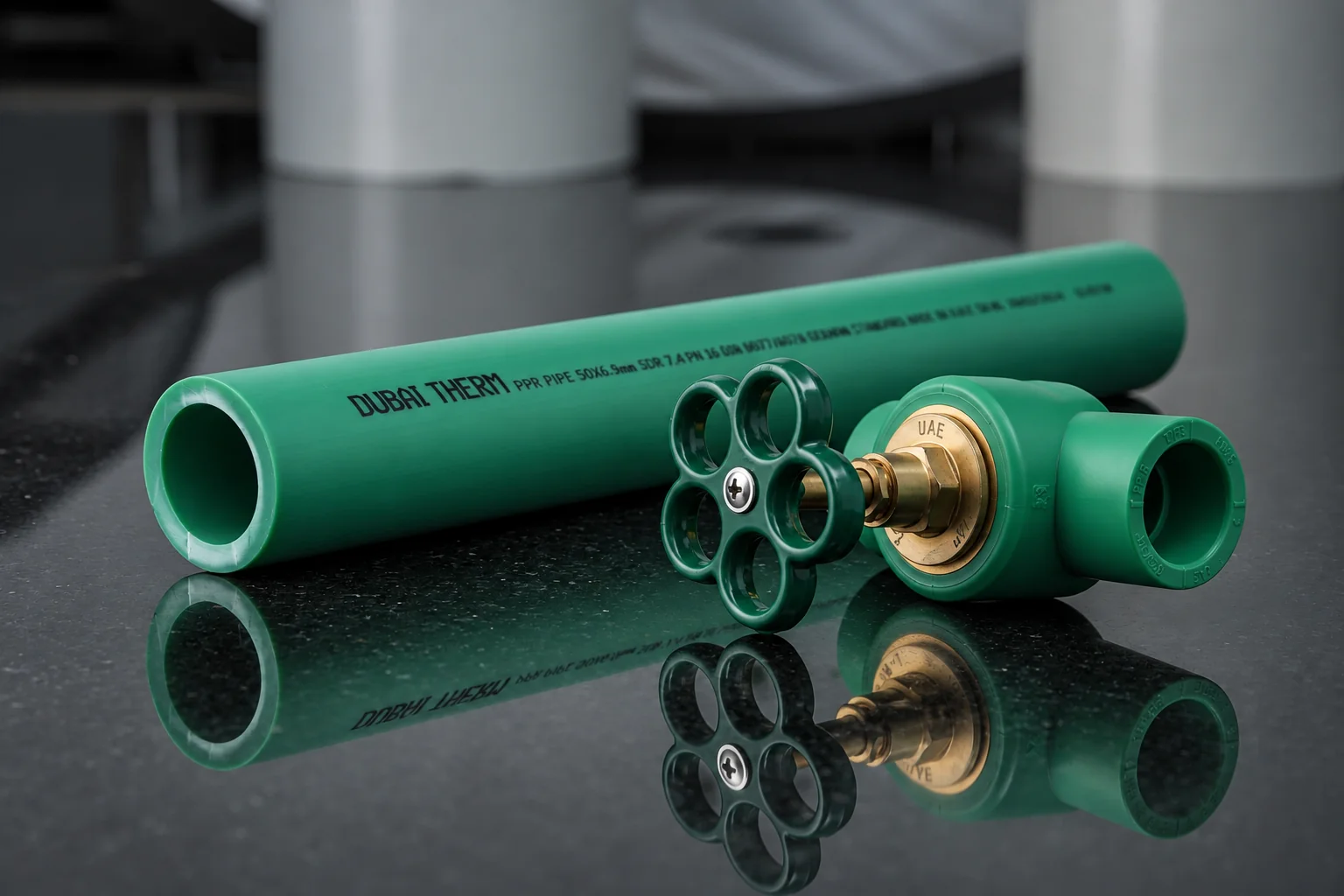
Why Do PPR Pipe Joints Leak? Common Causes and Prevention
PPR pipes are joined using heat fusion, which bonds the pipe and fitting together. When the process is carried out correctly, the connection forms a permanent joint. However, incorrect heating, poor alignment, contamination or movement during cooling can affect the joint and lead to leakage after PPR pipe installation. Understanding these problems helps installers identify…
-

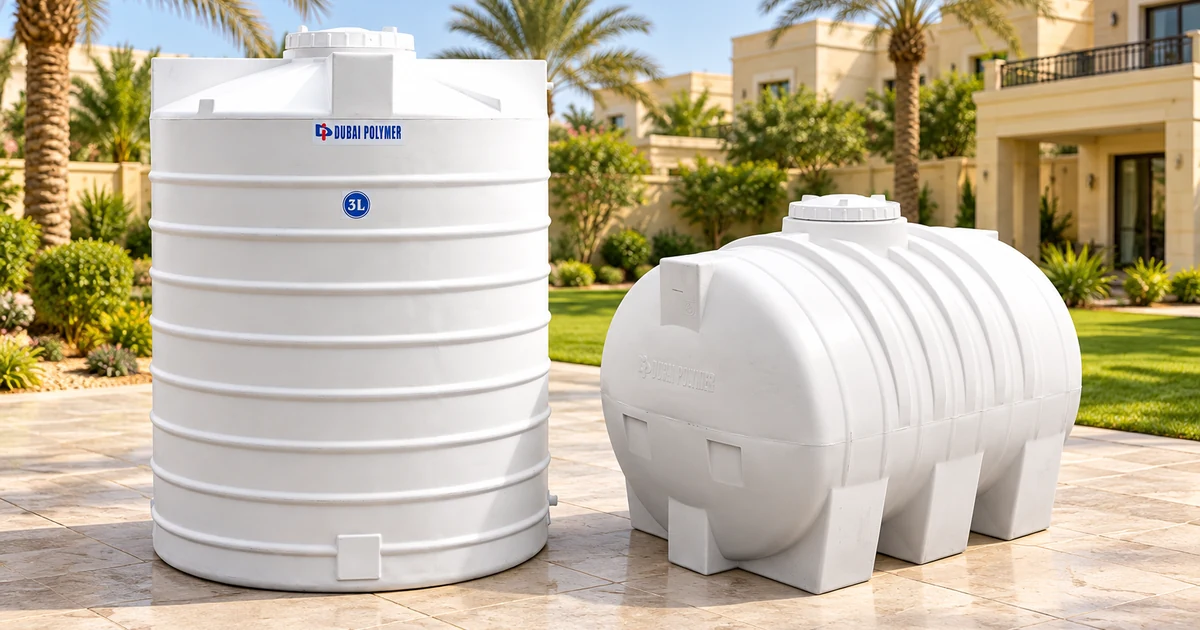
Single Large Water Tank vs Multiple Smaller Tanks: Which Is Better?
If a property needs 4,000 gallons of water storage, there may be more than one way to provide it. You could install: One 4,000-gallon tank Two 2,000-gallon tanks Four 1,000-gallon tanks The total storage capacity may be similar, but the installation does not work in exactly the same way. It completely depends on the Space,…
-

PPR Pipe Thermal Expansion: What UAE Installers Should Know
One important factor always consider during PPR installation is thermal expansion. Thermal expansion means that a pipe can slightly increase or decrease in length when its temperature changes. This is especially important in the UAE because PPR pipes may carry hot water and also be installed in areas where changing temperatures. What Is Thermal Expansion…
-

What Causes Pressure Loss in PVC Water Supply Pipes?
Low water pressure can be frustrating, especially when the system is expected to deliver a steady flow. In many cases, the problem is not the PVC pipe itself. Pressure loss can happen because of the pipe size, long pipe runs, too many bends, blocked valves, elevation differences or pump issues. Understanding the common causes can…
-

Which PPR Pipe Is Best for Hot Water? What UAE Buyers Should Check
When selecting PPR pipes for a hot water system, buyers often start with questions such as: Which PPR pipe is best? What size do I need? Which pressure rating should I choose? The right PPR pipe for hot water should match the operating temperature, system pressure, pipe size, and application while also being supported by…
-

Why PVC Pipes Crack: Common Causes and Prevention
Introduction PVC pipes can crack when they are not selected, handled, stored or installed correctly. A cracked PVC pipe can cause leakage, water flow issues, drainage failure, electrical conduit damage or repeated maintenance problems. Why Do PVC Pipes Crack? PVC pipes can crack due to impact damage, poor handling, incorrect installation, excessive pressure, unsupported pipe…
-

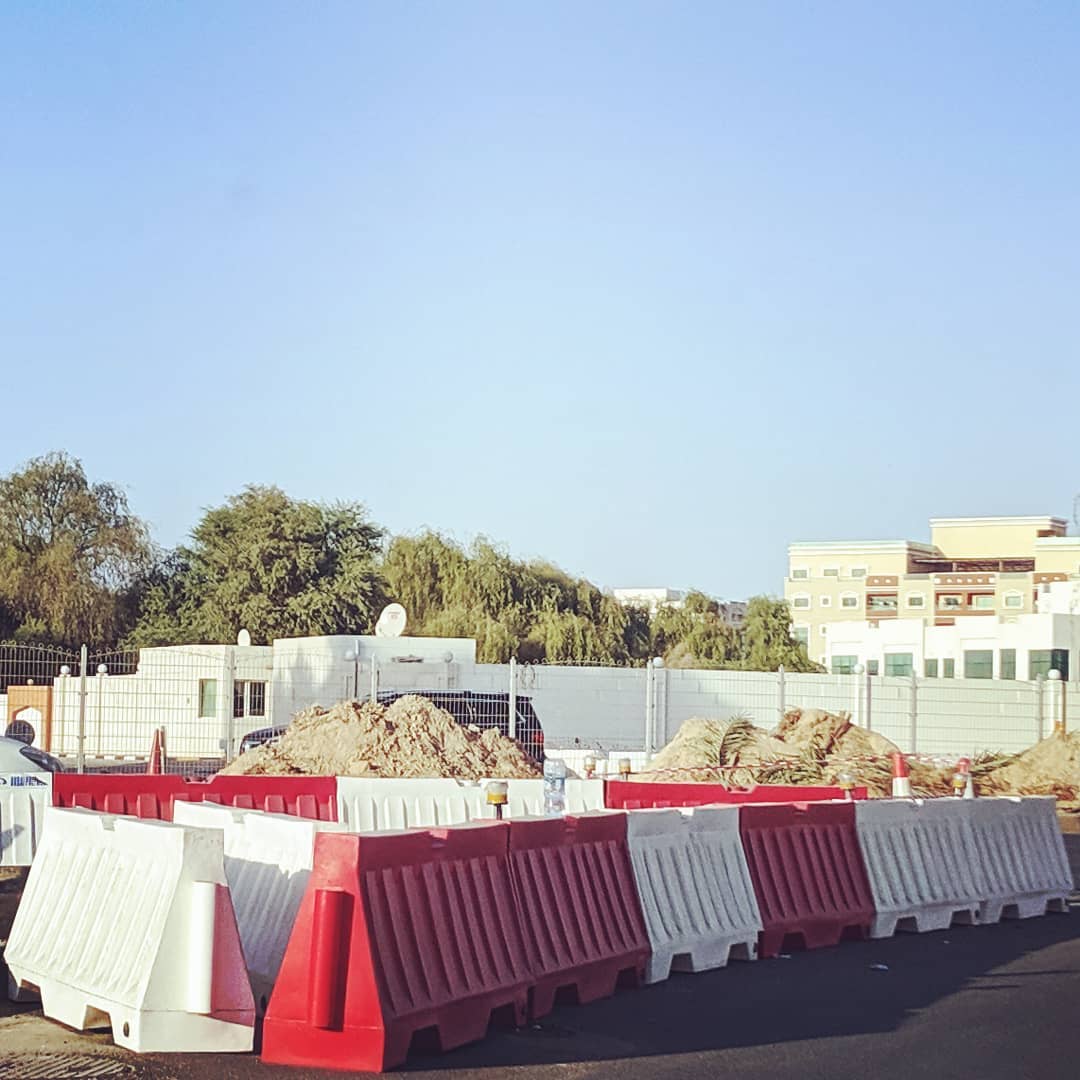
Plastic Road Barriers vs Concrete Barriers: Which Is Better?
Road barriers are not all made for the same job. Some projects need a barrier that can be moved every few days. Others need a heavy barrier that stays in place for months or years. That is where the choice between plastic road barriers and concrete barriers becomes important. Plastic road barriers are better for…
-

What Causes PVC Drainage Pipes to Block?
Introduction A blocked drainage pipe can cause slow water flow, bad smell, wastewater backup, leakage near joints and repeated maintenance problems. In many cases, the pipe material is not the real issue. The blockage is usually caused by wrong installation, construction debris, grease, sand, foreign objects or poor drainage design. Why Do PVC Drainage Pipes…
-
Water Tank Fittings Guide: Inlet, Outlet, Overflow and Drain Explained
Introduction Water tank fittings may look like small components, but they control how water enters, exits, overflows and drains from the tank. A good quality tank can still create problems if the fittings are wrongly selected, poorly installed or placed without considering the site plumbing. This guide explains the four main water tank fittings: Inlet…